
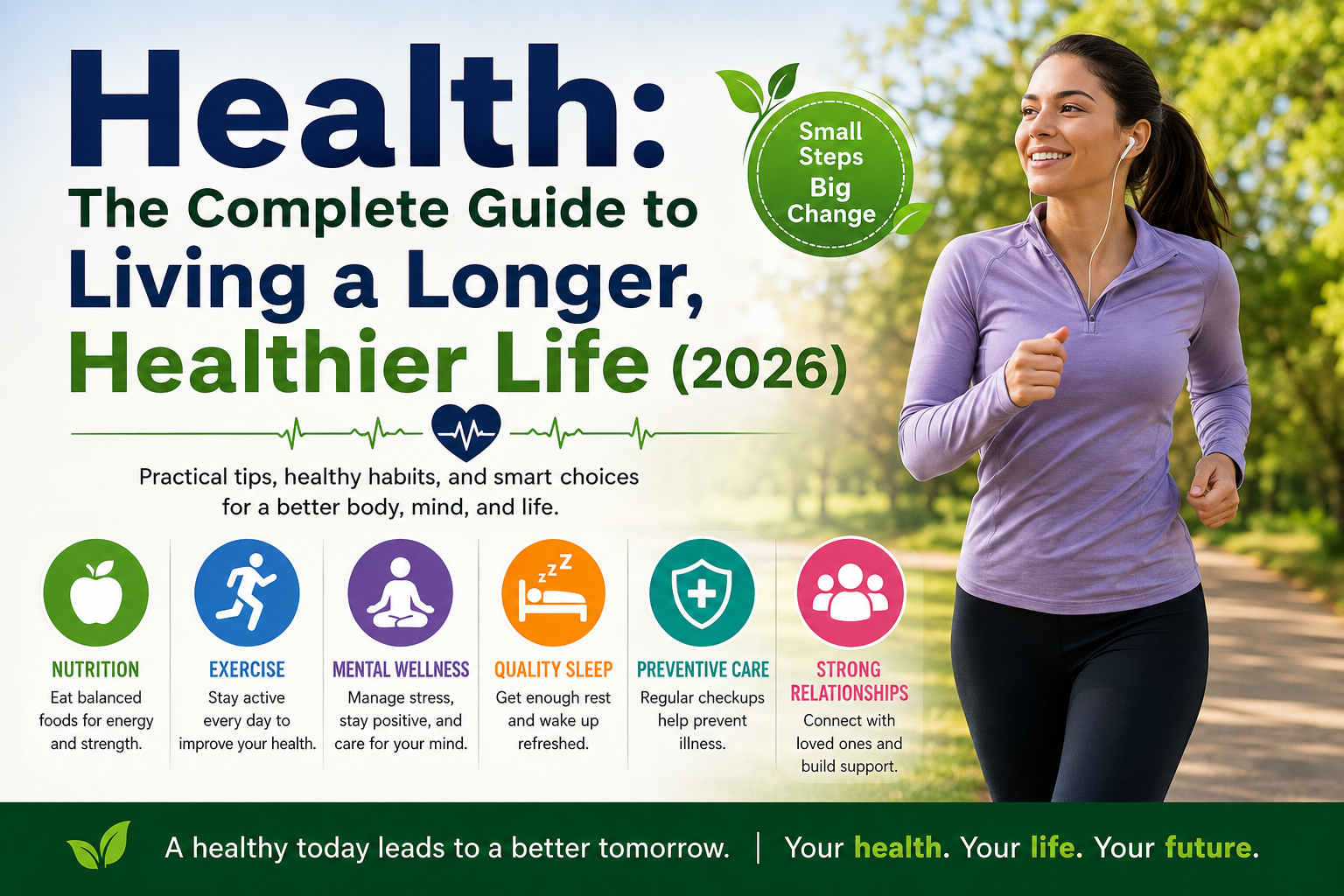

Health is one of the greatest assets anyone can have. Good health allows you to work, spend quality time with family, pursue your goals, and enjoy everyday life. While modern medicine has significantly improved life expectancy, maintaining good health still depends largely on the choices we make every day.
Living a healthy life is not about following extreme diets or spending hours at the gym. Instead, it is about creating simple, sustainable habits that support your physical, mental, and emotional well-being. Small actions—such as eating nutritious foods, staying active, getting enough sleep, and managing stress—can make a big difference over time.
In this comprehensive guide, you'll learn what health truly means, why it matters, and practical ways to improve your overall well-being in 2026 and beyond.
What Is Health?
Health is much more than simply being free from illness. It is a state of complete physical, mental, and social well-being. When your body and mind are in balance, you have more energy, think more clearly, build stronger relationships, and enjoy a better quality of life.
Good health helps you:
- Perform daily activities with ease
- Recover more quickly from illness or injury
- Maintain a healthy weight
- Reduce the risk of chronic diseases
- Improve concentration and productivity
- Enhance emotional resilience
- Increase life expectancy
Health is a lifelong journey. It requires consistent care, regular checkups, and healthy habits rather than quick fixes.
The Different Types of Health
Understanding the different aspects of health helps you create a balanced lifestyle.
1. Physical Health
Physical health refers to the condition of your body and how well it functions. It involves regular exercise, balanced nutrition, sufficient sleep, hydration, and preventive healthcare.
Signs of good physical health include:
- Healthy body weight
- Strong immune system
- Good energy levels
- Healthy blood pressure
- Stable blood sugar
- Strong muscles and bones
2. Mental Health
Mental health affects how we think, feel, and respond to life's challenges. Taking care of your mental health is just as important as caring for your physical body.
Good mental health allows you to:
- Handle stress effectively
- Build healthy relationships
- Make informed decisions
- Stay motivated
- Enjoy life
Simple mental wellness habits include meditation, journaling, talking with trusted friends, and seeking professional support when needed.
3. Emotional Health
Emotional health involves recognizing, understanding, and managing your emotions in healthy ways.
Emotionally healthy people often:
- Communicate openly
- Practice self-awareness
- Cope with setbacks positively
- Maintain healthy boundaries
- Show empathy toward others
4. Social Health
Humans thrive on meaningful relationships. Social health focuses on building strong connections with family, friends, coworkers, and communities.
Healthy relationships provide:
- Emotional support
- Reduced stress
- Greater happiness
- Better mental health
- Increased sense of belonging
5. Preventive Health
Preventive health means taking proactive steps to avoid illness before it develops.
Examples include:
- Routine medical checkups
- Vaccinations
- Health screenings
- Healthy eating
- Regular exercise
- Avoiding tobacco
- Limiting alcohol consumption
Preventive care is one of the most effective ways to stay healthy and reduce healthcare costs.
Why Good Health Matters
Investing in your health offers benefits that extend into every area of life.
Increased Energy
Healthy people generally experience higher energy levels, making it easier to stay active, productive, and engaged throughout the day.
Better Productivity
Good health improves focus, concentration, and decision-making, helping you perform better at work and school.
Lower Healthcare Costs
Preventing illness is often less expensive than treating serious medical conditions. Healthy habits can reduce the need for medications, hospital visits, and long-term treatments.
Improved Quality of Life
When you feel healthy, you're more likely to enjoy hobbies, travel, family activities, and social events.
Longer Life Expectancy
Research consistently shows that healthy lifestyle choices contribute to a longer and more active life.
Daily Healthy Habits That Make a Big Difference
Building healthy habits doesn't require dramatic lifestyle changes. Consistency is more important than perfection.
Eat a Balanced Diet
Your body needs nutrients from a variety of foods.
Include:
- Fresh fruits
- Vegetables
- Whole grains
- Lean proteins
- Healthy fats
- Low-fat dairy
- Plenty of water
Limit:
- Sugary drinks
- Highly processed foods
- Excess salt
- Trans fats
- Added sugars
Aim to fill half your plate with vegetables and fruits at most meals.
Stay Physically Active
Exercise strengthens your heart, muscles, and bones while improving mood and reducing stress.
Adults should aim for:
- At least 150 minutes of moderate exercise each week
- Strength training twice weekly
- Regular stretching and flexibility exercises
Activities can include:
- Walking
- Cycling
- Swimming
- Yoga
- Dancing
- Gardening
The best exercise is one you enjoy and can maintain.
Drink Enough Water
Water supports nearly every function in the body.
Benefits of proper hydration include:
- Better digestion
- Healthier skin
- Improved concentration
- Stable body temperature
- Increased energy
Carry a reusable water bottle and drink throughout the day, especially during hot weather or exercise.
Prioritize Sleep
Quality sleep is essential for recovery, brain function, and overall health.
Adults generally need 7–9 hours of sleep each night.
Tips for better sleep:
- Keep a regular bedtime
- Limit screen time before bed
- Create a cool, dark sleeping environment
- Avoid heavy meals late at night
- Reduce caffeine in the evening
Good sleep supports memory, mood, and immune function.
Manage Stress
Chronic stress can affect both physical and mental health.
Healthy ways to reduce stress include:
- Deep breathing exercises
- Meditation
- Spending time outdoors
- Reading
- Listening to music
- Talking with loved ones
- Practicing gratitude
Even 10–15 minutes of relaxation each day can have lasting benefits.
The Importance of Nutrition
Food is your body's primary source of energy and nourishment. A balanced diet helps maintain a healthy weight, supports the immune system, and reduces the risk of chronic diseases.
Fruits and Vegetables
These foods are rich in vitamins, minerals, antioxidants, and fiber. Eating a variety of colorful produce helps protect your body from disease.
Examples include:
- Apples
- Berries
- Oranges
- Spinach
- Broccoli
- Carrots
- Tomatoes
Whole Grains
Whole grains provide lasting energy and support digestive health.
Healthy options include:
- Oats
- Brown rice
- Quinoa
- Whole wheat bread
- Barley
Lean Protein
Protein helps build and repair muscles and tissues.
Good sources include:
- Chicken
- Fish
- Eggs
- Beans
- Lentils
- Tofu
- Greek yogurt
Healthy Fats
Not all fats are harmful. Healthy fats support brain function and heart health.
Choose:
- Avocados
- Nuts
- Seeds
- Olive oil
- Fatty fish like salmon
Limit Processed Foods
Highly processed foods often contain excess sugar, unhealthy fats, and sodium. Reducing processed snacks and fast food can improve overall health and lower the risk of chronic disease.
Healthy Weight Management
Maintaining a healthy weight is about balance rather than strict dieting.
Focus on:
- Eating nutritious foods
- Staying active
- Drinking water
- Controlling portion sizes
- Sleeping well
- Managing stress
Avoid fad diets that promise quick results. Sustainable habits lead to long-term success.
Healthy Habits for Families
Creating a healthy home environment benefits everyone.
Ideas include:
- Cooking meals together
- Eating at the table without distractions
- Taking family walks
- Encouraging outdoor play
- Limiting sugary snacks
- Setting regular bedtime routines
Healthy habits are easier to maintain when the whole family participates.
Looking Ahead
Health is not achieved through one perfect day but through consistent choices made over weeks, months, and years. Every healthy meal, walk, good night's sleep, and preventive checkup contributes to a stronger, healthier future.
In the next part of this guide, we'll explore exercise and fitness, mental wellness, preventive healthcare, healthy aging, common health mistakes to avoid, and the latest health technology shaping wellness in 2026.
Part 2: Exercise, Mental Wellness, Preventive Care & Healthy Aging
Continue directly after Part 1.
Exercise: The Foundation of Good Health
Regular physical activity is one of the best investments you can make in your health. Exercise benefits nearly every part of the body, including your heart, lungs, muscles, bones, brain, and immune system.
You don't need to become a professional athlete to enjoy these benefits. Even moderate daily activity can improve your overall well-being and reduce the risk of chronic diseases.
Benefits of Regular Exercise
Exercise can help you:
- Maintain a healthy weight
- Strengthen your heart
- Improve blood circulation
- Lower blood pressure
- Reduce the risk of type 2 diabetes
- Build stronger muscles and bones
- Improve flexibility and balance
- Boost mood and mental health
- Increase energy levels
- Improve sleep quality
Best Types of Exercise
A balanced fitness routine includes different forms of physical activity.
1. Cardio Exercise
Cardiovascular exercise improves heart and lung health.
Examples include:
- Walking
- Jogging
- Cycling
- Swimming
- Dancing
- Hiking
Aim for at least 150 minutes of moderate-intensity cardio each week.
2. Strength Training
Strength training builds muscle and protects bone health.
Popular options include:
- Dumbbells
- Resistance bands
- Push-ups
- Squats
- Weight machines
Strength training at least twice a week helps preserve muscle as you age.
3. Flexibility Exercises
Stretching keeps joints mobile and reduces injury risk.
Examples include:
- Yoga
- Pilates
- Daily stretching
- Tai Chi
4. Balance Training
Balance becomes increasingly important as people grow older.
Good balance exercises include:
- Standing on one foot
- Heel-to-toe walking
- Tai Chi
- Yoga poses
These exercises reduce the risk of falls and improve confidence.
Mental Healthcare Matters
Mental health is just as important as physical health. A healthy mind helps you handle stress, build relationships, make decisions, and enjoy life.
Many people focus only on their physical health while overlooking emotional well-being.
Taking care of your mind should be part of your daily routine.
Signs of Good Mental Health
Healthy mental well-being often includes:
- Feeling optimistic
- Managing stress effectively
- Having healthy relationships
- Sleeping well
- Maintaining motivation
- Enjoying hobbies
- Feeling emotionally balanced
Ways to Improve Mental Health
Practice Mindfulness
Mindfulness means paying attention to the present moment without judgment.
Benefits include:
- Reduced anxiety
- Better focus
- Improved emotional control
- Lower stress
Even five to ten minutes of mindful breathing each day can help.
Stay Connected
Strong relationships improve emotional health.
Spend time with:
- Family
- Friends
- Community groups
- Faith communities
- Support groups
Meaningful conversations reduce feelings of loneliness.
Take Breaks
Modern life is busy.
Remember to:
- Take short walks
- Rest between work sessions
- Disconnect from screens
- Enjoy hobbies
Small breaks improve productivity and reduce stress.
Ask for Help
Seeking professional support is a sign of strength, not weakness.
Consider talking with a healthcare professional if you experience:
- Persistent sadness
- Anxiety
- Burnout
- Panic attacks
- Sleep problems
- Emotional distress
Early support often leads to better outcomes.
Preventive Healthcare
Preventive care helps identify health problems before they become serious.
Instead of waiting until you're sick, regular checkups allow healthcare providers to detect issues early.
Annual Health Checkups
Routine medical visits may include:
- Blood pressure measurement
- Weight assessment
- Cholesterol testing
- Blood sugar screening
- Vaccination review
- Cancer screening
- Vision examination
- Hearing evaluation
These visits provide valuable information about your overall health.
Vaccinations
Vaccines protect against serious illnesses.
Depending on age and medical history, your healthcare provider may recommend vaccines for:
- Influenza (flu)
- COVID-19
- Pneumonia
- Shingles
- Tetanus
- Hepatitis
Keeping vaccinations current helps protect both you and your community.
Healthy Screenings
Screenings can detect diseases before symptoms appear.
Common preventive screenings include:
- Breast cancer screening
- Cervical cancer screening
- Colon cancer screening
- Prostate screening
- Diabetes screening
- Cholesterol testing
- Bone density testing
Early detection often improves treatment success.
Healthy Habits That Prevent Disease
Simple daily habits reduce the risk of chronic illnesses.
Don’t Smoke
Smoking damages nearly every organ in the body.
Quitting smoking significantly lowers the risk of:
- Heart disease
- Lung disease
- Stroke
- Cancer
Limit Alcohol
Excessive alcohol consumption increases the risk of:
- Liver disease
- High blood pressure
- Heart disease
- Certain cancers
Moderation is important.
Practice Good Hygiene
Simple habits include:
- Washing hands regularly
- Covering coughs and sneezes
- Cleaning frequently touched surfaces
- Preparing food safely
These habits reduce the spread of infections.
Sleep and Recovery
Sleep is essential for healing and maintaining good health.
During sleep, the body:
- Repairs tissues
- Strengthens immunity
- Processes memories
- Balances hormones
- Restores energy
Adults should generally aim for 7–9 hours of quality sleep each night.
Tips for Better Sleep
- Maintain a regular sleep schedule.
- Avoid caffeine late in the day.
- Keep your bedroom cool and quiet.
- Turn off electronic devices before bedtime.
- Read a book instead of scrolling on your phone.
Good sleep improves both physical and mental health.
Healthy Aging
Growing older doesn't have to mean poor health.
Healthy aging focuses on maintaining independence, mobility, and quality of life.
Healthy Aging Tips
Stay Active
Regular exercise helps preserve:
- Muscle strength
- Balance
- Bone density
- Flexibility
Eat Nutrient-Dense Foods
Older adults often need foods rich in:
- Calcium
- Vitamin D
- Protein
- Fiber
- Healthy fats
Keep Your Brain Active
Mental stimulation supports cognitive health.
Try:
- Reading
- Crossword puzzles
- Learning new skills
- Playing musical instruments
- Social activities
Stay Social
Maintaining friendships and family relationships supports emotional health and reduces loneliness.
Common Health Mistakes to Avoid
Many health problems develop because of everyday habits.
Avoid these common mistakes:
Skipping Breakfast
A balanced breakfast provides energy and supports concentration throughout the morning.
Sitting Too Much
Long periods of sitting increase the risk of obesity, diabetes, and heart disease.
Stand up and move every hour.
Drinking Too Little Water
Mild dehydration can affect:
- Mood
- Concentration
- Physical performance
- Digestion
Ignoring Symptoms
Don't delay medical care if symptoms persist or worsen.
Early treatment often leads to better recovery.
Self-Medicating
Avoid taking prescription medications without medical advice.
Always follow healthcare provider recommendations.
Goals for 2026
Setting realistic health goals increases your chances of success.
Examples include:
- Walk 30 minutes daily.
- Eat five servings of fruits and vegetables each day.
- Drink more water.
- Sleep at least seven hours each night.
- Exercise three to five days per week.
- Reduce sugar intake.
- Schedule annual medical checkups.
- Practice stress management.
Remember that lasting improvements come from small, consistent actions rather than dramatic changes.
Healthcare continues to evolve with new technologies that improve prevention, diagnosis, and treatment.
Emerging trends include:
- Artificial intelligence in healthcare
- Wearable fitness trackers
- Telemedicine and virtual consultations
- Personalized medicine
- Remote patient monitoring
- Smart health apps
- Digital medical records
These innovations make healthcare more accessible and help people manage their health more effectively.
Final Thoughts
Good health is one of the greatest investments you can make. It influences every part of your life—from your energy and productivity to your relationships and overall happiness.
There is no single secret to a healthy life. Instead, lasting health comes from making thoughtful choices each day: eating nutritious foods, staying active, sleeping well, managing stress, maintaining strong relationships, and seeking preventive medical care.
Remember, you don't have to change everything overnight. Start with one healthy habit today. Over time, those small improvements can lead to a stronger body, a healthier mind, and a longer, more fulfilling life.
In 2026 and beyond, let your health be your greatest priority. Every positive choice you make today is an investment in a healthier tomorrow.
2 thoughts on “Health: The Complete Guide to Living a Longer, Healthier Life (2026)”