
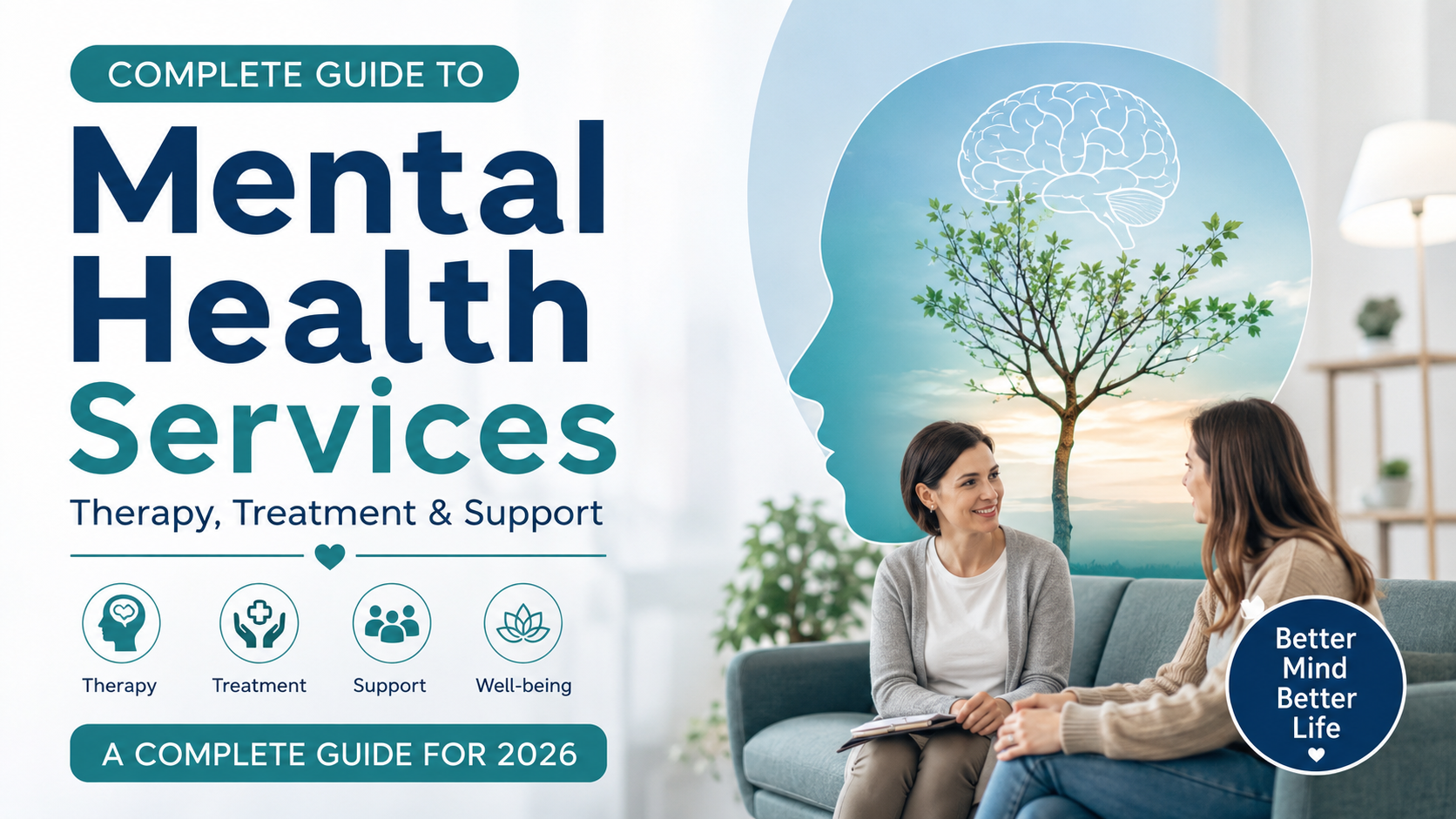

Mental health is just as important as physical health. It affects how we think, feel, make decisions, and interact with others. In today's fast-paced world, stress, anxiety, depression, and other mental health conditions have become more common than ever. Fortunately, modern mental health services provide professional support to help people improve their emotional well-being and live healthier, happier lives.
Whether you're looking for therapy, counseling, psychiatric care, or online treatment, understanding your options is the first step toward recovery. This guide explains everything you need to know about mental health services in 2026.
What Are Mental Health Services?
Mental health services are professional healthcare services that help people improve their emotional, psychological, and social well-being. These services are designed to diagnose, treat, and prevent mental health conditions while supporting people through life's challenges.
Mental health services are available for people of all ages, including:
- Children
- Teenagers
- Adults
- Seniors
- Families
- Couples
- Veterans
Professionals work together to create treatment plans that fit each person's needs.
Why Mental Health Matters
Mental health influences every part of daily life, including:
- Relationships
- Work performance
- School success
- Physical health
- Sleep quality
- Decision-making
- Self-confidence
Ignoring mental health problems can make them worse over time. Early treatment often leads to better outcomes and a faster recovery.
Common Mental Health Conditions
Mental health professionals treat many different conditions, including:
Anxiety Disorders
People with anxiety may experience:
- Constant worry
- Panic attacks
- Rapid heartbeat
- Difficulty sleeping
- Fear in everyday situations
Depression
Symptoms may include:
- Persistent sadness
- Loss of interest
- Low energy
- Changes in appetite
- Feelings of hopelessness
Bipolar Disorder
This condition causes extreme mood changes, including emotional highs (mania) and lows (depression).
Post-Traumatic Stress Disorder (PTSD)
PTSD may develop after traumatic experiences such as accidents, abuse, violence, or military service.
Obsessive-Compulsive Disorder (OCD)
People with OCD experience unwanted thoughts and repetitive behaviors that interfere with daily life.
Eating Disorders
Examples include:
- Anorexia
- Bulimia
- Binge Eating Disorder
Substance Use Disorders
Many mental health services also help people recover from alcohol or drug addiction.
Types of Mental Health Services
There are many forms of treatment depending on your situation.
Individual Therapy
One-on-one sessions with a licensed therapist help people discuss emotions, relationships, stress, trauma, and personal goals.
Family Therapy
Family members work together to improve communication and resolve conflicts.
Couples Counseling
Partners receive guidance to strengthen relationships and solve ongoing problems.
Group Therapy
Several people facing similar challenges meet together under the guidance of a therapist.
Benefits include:
- Shared experiences
- Emotional support
- Learning coping skills
- Reduced loneliness
Psychiatric Services
Psychiatrists are medical doctors who diagnose mental illnesses and prescribe medications when necessary.
Medication may be combined with therapy for better results.
Crisis Intervention
Emergency mental health professionals provide immediate support during severe emotional distress or mental health crises.
Online Mental Health Services
Telehealth has become one of the fastest-growing healthcare services.
People can now receive therapy through:
- Video appointments
- Phone calls
- Secure messaging
- Mobile apps
Online therapy is especially helpful for people living in rural areas or those with busy schedules.
Who Provides Mental Health Services?
Different professionals specialize in different areas.
Psychologists
Provide therapy, psychological testing, and behavioral treatment.
Psychiatrists
Medical doctors who diagnose illnesses and prescribe medication.
Licensed Professional Counselors
Help clients manage emotional and behavioral problems.
Clinical Social Workers
Provide therapy while helping people connect with community resources.
Marriage and Family Therapists
Focus on relationships and family dynamics.
Benefits of Mental Health Services
Professional support offers many long-term benefits.
These include:
- Better emotional health
- Reduced stress
- Improved relationships
- Increased confidence
- Better sleep
- Healthier coping skills
- Improved productivity
- Greater life satisfaction
Seeking help is a sign of strength, not weakness.
When Should You Seek Help?
Consider reaching out if symptoms last more than two weeks or interfere with daily life.
Warning signs include:
- Feeling overwhelmed
- Constant anxiety
- Persistent sadness
- Loss of motivation
- Trouble sleeping
- Difficulty concentrating
- Emotional outbursts
- Social withdrawal
- Thoughts of self-harm
Early treatment often leads to better outcomes.
Popular Therapy Approaches
Different therapists use different treatment methods.
Cognitive Behavioral Therapy (CBT)
CBT helps identify unhealthy thinking patterns and replace them with healthier behaviors.
It is widely used for:
- Anxiety
- Depression
- OCD
- Stress
Dialectical Behavior Therapy (DBT)
DBT teaches emotional regulation, mindfulness, and healthy coping skills.
Acceptance and Commitment Therapy (ACT)
ACT encourages accepting emotions while focusing on meaningful life goals.
Psychodynamic Therapy
This therapy explores how past experiences influence present emotions and behaviors.
Mindfulness-Based Therapy
Mindfulness techniques help reduce stress and improve emotional awareness.
Medication for Mental Health
Medication may be recommended for some conditions.
Common types include:
- Antidepressants
- Anti-anxiety medications
- Mood stabilizers
- Antipsychotic medications
Always take medications exactly as prescribed by a qualified healthcare provider.
Mental Health Services for Children
Children sometimes struggle with:
- ADHD
- Anxiety
- Bullying
- Behavioral issues
- Autism support
- School stress
Child therapists use age-appropriate techniques such as:
- Play therapy
- Family counseling
- Behavioral therapy
Early support can improve long-term development.
Mental Health Services for Seniors
Older adults may experience:
- Grief
- Loneliness
- Dementia-related stress
- Depression
- Anxiety
Professional counseling helps seniors maintain emotional well-being and independence.
Workplace Mental Health
Many employers now provide mental health benefits.
Programs often include:
- Employee Assistance Programs (EAP)
- Counseling
- Stress management workshops
- Burnout prevention
- Wellness coaching
Supporting employee mental health improves productivity and job satisfaction.
Online Therapy vs In-Person Therapy
Online Therapy
Advantages:
- Convenient
- Flexible scheduling
- Private
- Accessible from home
Disadvantages:
- Requires internet access
- May not suit severe mental health emergencies
In-Person Therapy
Advantages:
- Face-to-face interaction
- Strong therapeutic relationship
- Better for complex conditions
Disadvantages:
- Travel required
- Less scheduling flexibility
Both options can be highly effective depending on individual needs.
How Much Do Mental Health Services Cost?
Costs vary depending on:
- Location
- Provider
- Insurance
- Type of therapy
- Session length
Many insurance plans now cover mental health treatment.
Additional affordable options include:
- Community health centers
- University counseling clinics
- Nonprofit organizations
- Sliding-scale therapists
- Telehealth providers
Always ask about fees and insurance before scheduling appointments.
How to Choose the Right Mental Health Provider
Finding the right provider takes time.
Consider these factors:
- Professional license
- Experience
- Specialization
- Communication style
- Insurance acceptance
- Reviews
- Availability
Do not hesitate to change providers if the relationship does not feel like a good fit.
Self-Care Alongside Professional Treatment
Professional treatment works best when combined with healthy habits.
Helpful self-care practices include:
- Regular exercise
- Healthy eating
- Quality sleep
- Meditation
- Journaling
- Spending time outdoors
- Talking with trusted friends
- Limiting alcohol and drug use
Small daily habits can make a meaningful difference over time.
Myths About Mental Health Services
Myth 1: Therapy Is Only for Serious Mental Illness
Reality: Therapy can help anyone manage stress, improve relationships, or navigate life changes.
Myth 2: Asking for Help Is Weakness
Reality: Seeking support shows courage and a commitment to improving your well-being.
Myth 3: Medication Fixes Everything
Reality: Medication may help some people, but many benefit most from a combination of therapy, healthy habits, and social support.
Myth 4: Mental Health Problems Go Away on Their Own
Reality: Some issues improve with time, but many require professional care to prevent symptoms from worsening.
Mental Health Trends in 2026
Mental health care continues to evolve with new technologies and approaches. Some of the biggest trends include:
- AI-assisted screening tools
- Expanded telehealth services
- Virtual therapy platforms
- Digital mental wellness apps
- Personalized treatment plans
- Greater workplace mental health support
- Increased focus on prevention and early intervention
- Reduced stigma around seeking help
These innovations are making mental health services more accessible than ever.
Frequently Asked Questions (FAQs)
What are mental health services?
Mental health services include therapy, counseling, psychiatric care, crisis support, and other professional treatments that help people improve emotional and psychological well-being.
Are online mental health services effective?
Yes. Research shows that online therapy can be highly effective for many conditions, especially anxiety, depression, and stress, when provided by qualified professionals.
Do I need medication?
Not always. Many people benefit from therapy alone, while others achieve better results with a combination of therapy and medication. A licensed healthcare professional can recommend the most appropriate treatment.
How long does therapy take?
The length of therapy depends on your goals and condition. Some people attend a few sessions for short-term concerns, while others continue therapy for several months or longer.
Can children receive mental health services?
Yes. Specialized therapists and counselors provide age-appropriate treatment for children and adolescents facing emotional, behavioral, or developmental challenges.
Final Thoughts
Mental health is an essential part of overall health, and seeking help is a positive step toward a better quality of life. Whether you are coping with stress, anxiety, depression, relationship challenges, or another concern, professional mental health services can provide the guidance and support you need.
Remember that everyone's mental health journey is unique. Finding the right therapist or treatment plan may take time, but investing in your emotional well-being is one of the most valuable decisions you can make. With greater awareness, expanded access to care, and innovative treatment options available in 2026, more people than ever have the opportunity to receive the support they deserve and build healthier, more fulfilling lives.
https://www.reachlink.com/advice/psychotherapy/complementary-mental-health-therapies
One thought on “Mental Health Services: Complete Guide to Therapy, Treatment & Support (2026)”