
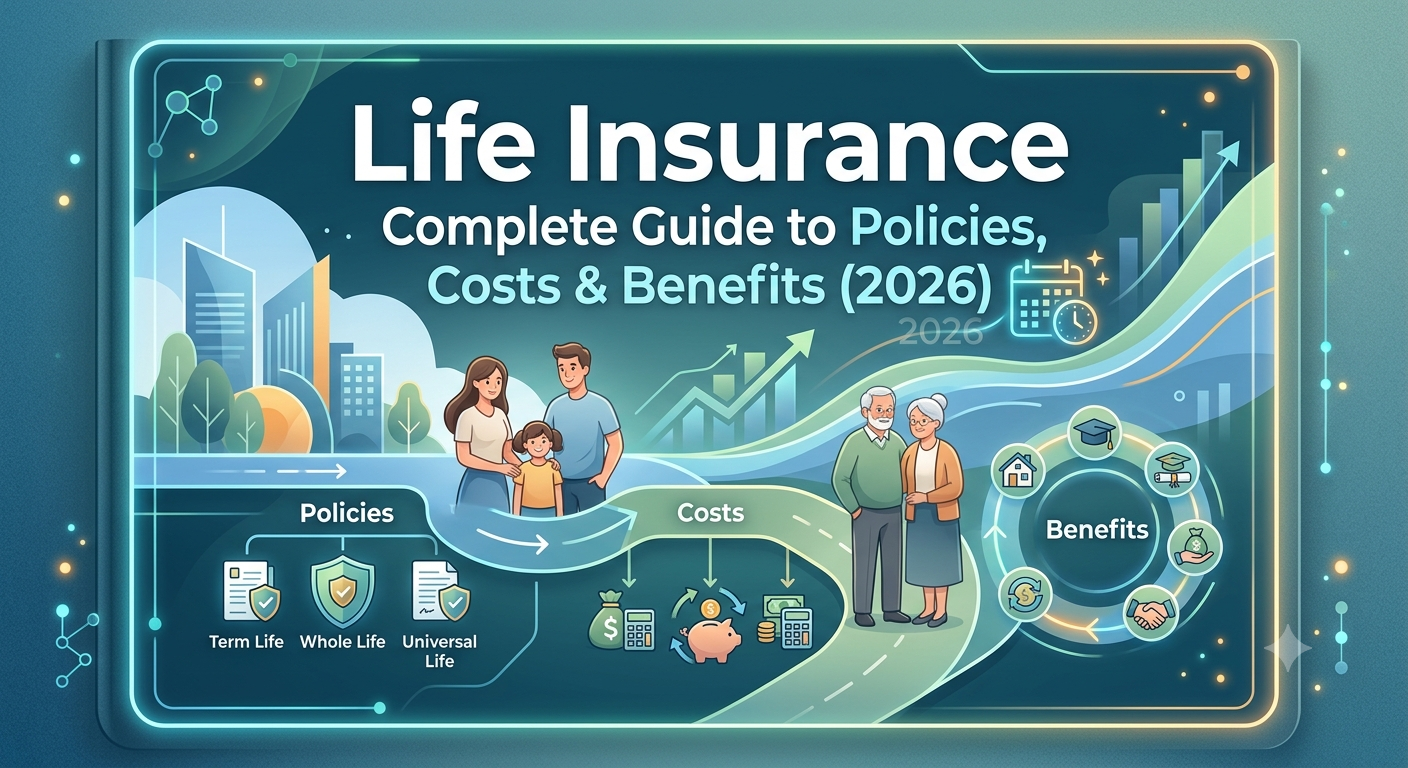

Life insurance is one of the most important financial tools available today. Whether you are a young professional, a parent, a business owner, or approaching retirement, the right life insurance policy can provide financial security and peace of mind for the people who depend on you.
In 2026, life insurance options are more flexible than ever. Companies offer a wide range of policies designed to meet different budgets, health conditions, and financial goals. However, many people still find life insurance confusing. Questions such as “How much coverage do I need?” “What type of policy is best?” and “How much will it cost?” are extremely common.
This comprehensive guide explains everything you need to know about life insurance, including policy types, costs, benefits, and practical tips for choosing the right coverage.
What Is Life Insurance?
Life insurance is a contract between you and an insurance company. In exchange for regular premium payments, the insurer agrees to pay a lump sum of money, called a death benefit, to your chosen beneficiaries if you pass away while the policy is active.
Beneficiaries can use the money for:
- Mortgage payments
- Rent
- Everyday living expenses
- Children’s education
- Medical bills
- Funeral costs
- Business expenses
- Debt repayment
The main purpose of life insurance is to replace lost income and protect your family from financial hardship.
Why Life Insurance Matters
Many families rely on one or two primary earners. If one of those earners dies unexpectedly, the household may struggle to cover essential expenses.
Key benefits of life insurance
Financial protection
- Financial protection for your family
- Peace of mind
- Coverage for final expenses
- Income replacement
- Support for children’s future education
- Protection for business owners and partners
- Assistance with estate planning
For many households, life insurance acts as a financial safety net during a difficult time.
Types of Life Insurance
Understanding the major policy types is the first step in choosing the right coverage.
1. Term Life Insurance
Term life insurance provides coverage for a specific period, such as 10, 20, or 30 years.
Pros
- Lower premiums
- Simple to understand
- Good for young families
- Ideal for mortgage protection
Cons
- Coverage expires at the end of the term
- No cash value accumulation
Best for
People who need affordable protection during their working years.
2. Whole Life Insurance
Whole life insurance provides lifelong coverage and includes a cash value component that grows over time.
Pros
- Permanent coverage
- Cash value growth
- Fixed premiums
- Can be used for estate planning
Cons
- Higher premiums
- More complex than term insurance
Best for
People seeking long-term financial planning and permanent protection.
3. Universal Life Insurance
Universal life insurance combines permanent coverage with flexible premiums and adjustable death benefits.
Best for
Individuals who want flexibility and potential cash value growth.
4. Final Expense Insurance
This smaller policy is designed primarily to cover funeral and burial costs.
Best for
Seniors who want to reduce the financial burden on their families.
How Much Life Insurance Do You Need?
A common rule is to purchase coverage equal to 10–15 times your annual income. However, your actual needs depend on several factors.
Calculate your coverage needs
Start here
Add up:
- Remaining mortgage balance
- Car loans and personal loans
- Credit card debt
- Future education costs
- Annual living expenses
- Emergency savings goals
Example:
| Expense | Amount |
| Mortgage | $250,000 |
| Other debts | $25,000 |
| College fund | $80,000 |
| Living expenses | $400,000 |
| Emergency fund | $45,000 |
| Recommended coverage | $800,000 |
Life Insurance Costs in 2026
Life insurance premiums vary based on:
- Age
- Gender
- Health
- Smoking status
- Coverage amount
- Policy type
- Term length
Estimated Monthly Costs
| Applicant | Term Life |
| 30-year-old healthy non-smoker | $20–$35 |
| 40-year-old healthy non-smoker | $35–$60 |
| 50-year-old healthy non-smoker | $70–$120 |
| 60-year-old healthy non-smoker | $150–$300 |
Whole life insurance can cost several times more than term life because it includes permanent coverage and cash value features.
Factors That Affect Premiums
Age
Younger applicants generally pay lower premiums.
Health
Chronic conditions may increase costs.
Smoking
Smokers often pay significantly higher rates.
Coverage amount
Higher death benefits usually mean higher premiums.
Medical exam results
Blood pressure, cholesterol, weight, and other health indicators may affect pricing.
Benefits of Life Insurance
Tax-free death benefit (in many cases)
Financial security for dependents
Debt protection
Estate planning support
Business continuity protection
Cash value accumulation (for permanent policies)
How to Choose the Right Policy
- Determine your financial goals
- Calculate your coverage needs
- Compare multiple quotes
- Check the insurer’s financial strength
- Understand policy exclusions
- Review riders and optional benefits
Life Insurance Riders
Riders are optional features that customize your policy.
Popular Riders
| Rider | Purpose |
| Accelerated death benefit | Access funds if terminally ill |
| Waiver of premium | Premiums waived during disability |
| Child rider | Coverage for children |
| Accidental death rider | Extra payout for accidental death |
| Guaranteed insurability | Buy more coverage later |
Common Life Insurance Mistakes
Avoid these costly mistakes
- Waiting too long to buy coverage
- Purchasing too little insurance
- Ignoring policy details
- Not updating beneficiaries
- Choosing a policy based only on price
- Letting coverage lapse
Life Insurance for Different Life Stages
| Life Stage | Recommended Coverage |
| 20s | Affordable term life insurance |
| 30s | Higher coverage for growing families |
| 40s | Income replacement and debt protection |
| 50s | Estate planning and final expenses |
| 60s+ | Final expense or permanent coverage |
Frequently Asked Questions
Do I need life insurance if I am single?
Possibly. If you have debts, co-signed loans, aging parents who depend on you, or future financial obligations, life insurance may still be valuable.
Can I get life insurance with health problems?
Yes. Many insurers offer coverage for people with conditions such as diabetes, high blood pressure, or heart disease, though premiums may be higher.
Is life insurance taxable?
Death benefits are generally income-tax free for beneficiaries, but estate taxes may apply in certain situations.
Can I have more than one life insurance policy?
Yes. Many people combine employer coverage with a personal term or whole life policy.
What happens if I miss a payment?
Most policies have a grace period. If payments are not made within that period, the policy may lapse.
Final Thoughts
Life insurance remains one of the smartest ways to protect your family’s financial future. The right policy can provide security, reduce stress, and ensure that your loved ones have the resources they need during a difficult time.
For most families, term life insurance offers affordable protection, while whole life insurance or universal life insurance may be better suited for long-term wealth and estate planning goals.
The key is to choose a policy that matches your budget, health, and financial responsibilities. By comparing quotes, understanding coverage options, and reviewing your needs regularly, you can build a life insurance strategy that continues to protect your family for years to come.
https://www.newyorklife.com/articles/six-reasons-to-buy-life-insurance
One thought on “Life Insurance: Complete Guide to Policies, Costs & Benefits (2026)”